
 Facebook
 X
X
 Pinterest
 Copy Link
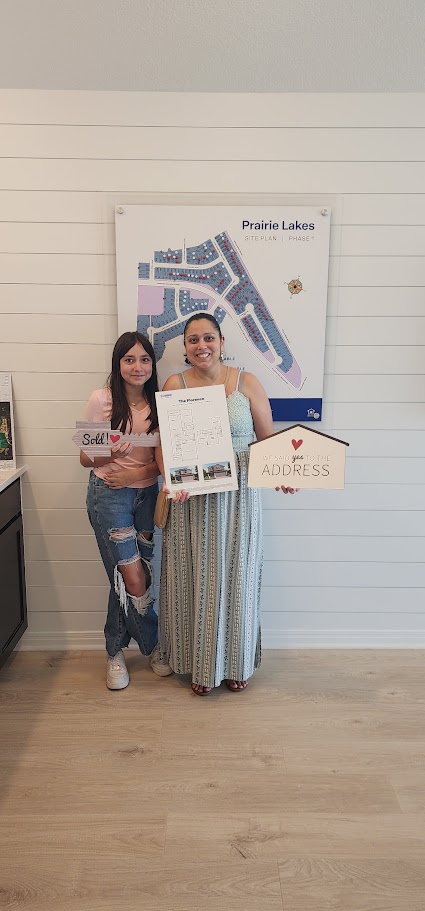
Common Myths That Stop Buyers
-
❌ “I need perfect credit”
-
❌ “I need 20% down”
-
❌ “I’ll never qualify in this market”
In reality, many buyers qualify sooner than expected—with the right strategy and guidance.
First-Time Home Buyer Programs You Should Know About
Buying your first home can feel overwhelming—especially with today’s prices, rates, and headlines. The good news? There are first-time home buyer programs designed to lower the barrier to entry, reduce upfront costs, and make homeownership more achievable than many people realize.
Here’s a plain-English breakdown of the most common options.
What Is a “First-Time Home Buyer”?
You’re typically considered a first-time buyer if you haven’t owned a home in the last three years. That means even if you owned before, you may qualify again.
1. Low Down Payment Loan Programs
Many buyers assume they need 20% down. That’s rarely true.
Common options include:
-
Programs with 3%–3.5% down
-
Conventional loans with reduced mortgage insurance
-
Government-backed loans designed for first-time buyers
These programs are often paired with flexible credit guidelines and competitive rates.
2. Down Payment Assistance (DPA)
Down payment assistance programs can be a game-changer.
They may come in the form of:
-
Grants (no repayment required)
-
Forgivable loans
-
Deferred-payment second loans
Funds can be used toward down payment, closing costs, or both, depending on the program. Availability often depends on income limits, location, and purchase price.
3. State & Local Home Buyer Programs
Many states, counties, and cities offer location-specific programs that stack on top of standard loan options.
These may include:
-
First-time buyer grants
-
Reduced interest rate programs
-
Education-based incentives
Because these programs change often, working with a knowledgeable local lender and agent is key.
4. Seller Credits & Negotiated Incentives
First-time buyers often overlook this strategy.
In certain markets, sellers may agree to:
-
Pay a portion of closing costs
-
Offer repair credits
-
Buy down interest rates
This can significantly reduce the cash needed upfront.
5. First-Time Buyer Education Benefits
Some programs require or reward buyers for completing a homeownership education course.
Benefits may include:
-
Access to additional assistance
-
Lower interest rates
-
Better loan terms
These courses are usually online and take just a few hours.
If this has helped you and you are ready to give me a call so I can direct you to one of the best lenders in the business please call me 512.786.2575 then lets go house shopping! I’ll make it more than an experience, I’ll make it a dream come true!
Caroline
